

Printable english worksheets save prep time, but only when each sheet has a clear job. You can make them work by matching one sheet to one skill, modelling an example first, and turning the answers into speaking practice.
This page is one part of the wider guide to esl teaching resources.
| Item | Value |
|---|---|
| Worksheet recipes in the BusyTeacher guide | 5 (listening, reading, writing, speaking, combined skills) |
| Listening repetitions that may be needed | Two to three |
| Size of a past simple writing task | Five questions or five sentences |
| Example paid sheet on Tes | £2.00 (Figurative Language – Complete the Metaphors) |
| Example free sheet on Tes | FREE (Christmas ESL Game: There Is / There Are) |
These figures come from BusyTeacher and a Tes listing page. Prices and advice can change, so check the source before you rely on them.
What makes a printable worksheet useful
A good worksheet is an adaptable tool, not a time filler. BusyTeacher notes that worksheets can be used in many lessons to practise material, prepare for exams and let students have fun. They can also go along with listening, reading, writing and speaking activities.
The strongest sheets mix task types. That gives students more variety and stops one type of exercise from dominating class time, as the same BusyTeacher guide explains.
Before you print, ask yourself three quick questions:
- Which one skill is this sheet practising?
- Will students see a worked example before they start?
- How will the answers be checked, and can that check become speaking practice?
If your learners are completely new to English, start with the basics in how to teach english to beginners before you choose a sheet.
How to use a worksheet for each skill
Listening
For listening, fill-in-the-blank exercises work well with songs, and matching or multiple-choice questions suit passages you read aloud. BusyTeacher suggests you review the sheet as a class and give an example before students listen. Two to three repetitions may be needed before students finish.
Afterwards, correct the answers aloud as a class. That gives students some speaking practice at no extra cost.
Reading
A worksheet is an easy way to test comprehension of a whole passage and the meaning of specific vocabulary. Useful question types include true or false, fill in the blank, and basic comprehension questions. You can then add a synonym-matching task to check the vocabulary.
Writing
Worksheets give writing a clear structure, and you decide how much guidance to include. For a past simple lesson, BusyTeacher gives the example of five questions such as “What did you do yesterday?”, or a prompt such as “Write five sentences about your last birthday party.”
You can combine the two. A first section of questions on one theme gives students ready-made sentences and vocabulary for a second, longer prompt on the same theme. This helps because students are often overwhelmed by the idea of writing an entire paragraph in English.
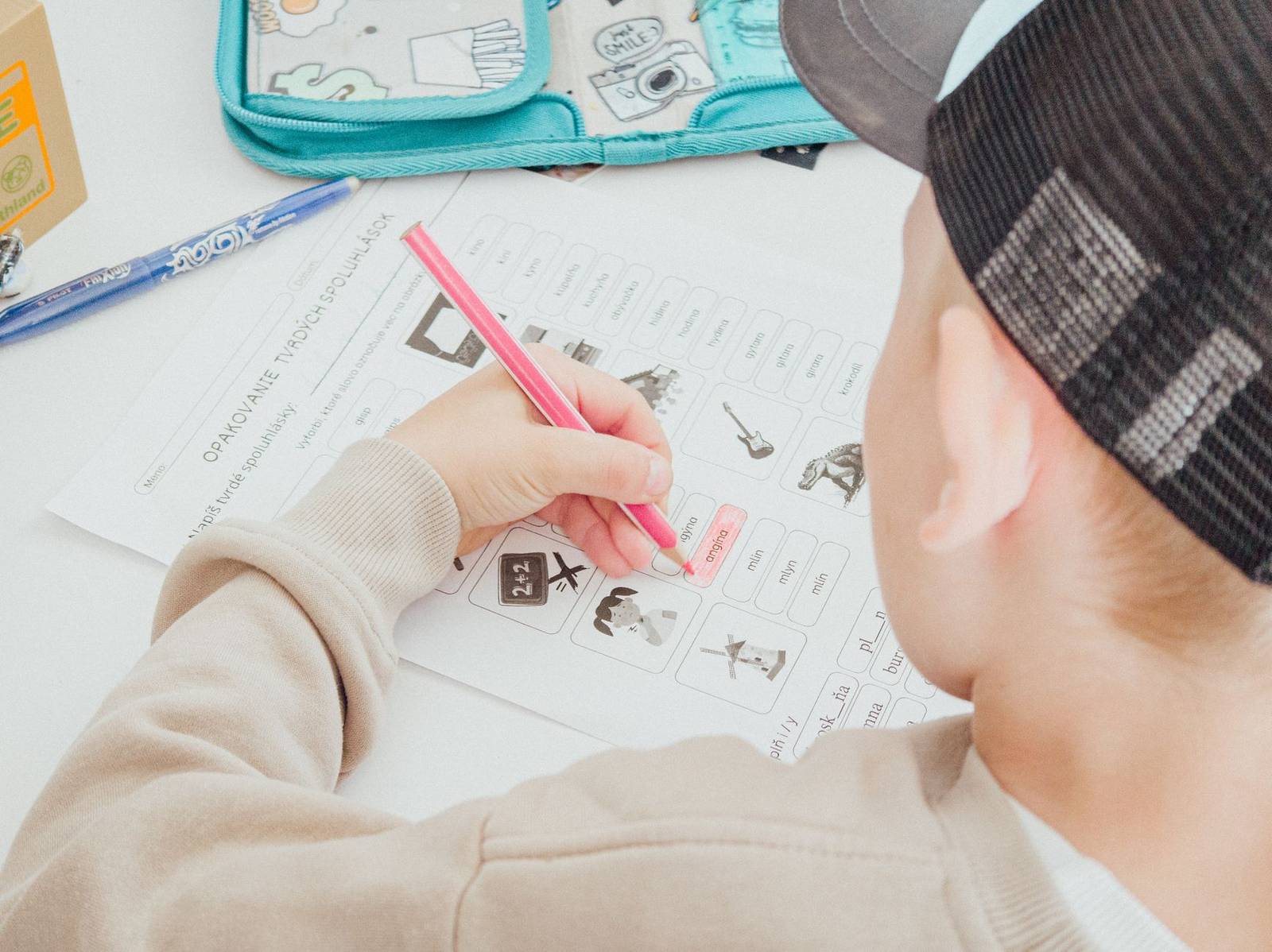
Turning a worksheet into speaking practice
A completed sheet is a ready-made script for pair work. When students ask and answer questions they have already written answers to, they have time to compose their responses but still practise saying them aloud, according to BusyTeacher.
Interview sheets get the whole class out of their seats. Students ask classmates the questions and collect a different signature for every question on the worksheet.
When you want more ideas for the talking stage, browse these esl speaking activities.
Where can you find printable worksheets and templates?
The University of Notre Dame’s Alliance for Catholic Education shares printable and digital resources for supporting multilingual learners. They are classroom tools rather than traditional drill sheets. Examples on the page include:
- Writing Conference: a guide for one-on-one or small group conferences, with space for student goals, feedback and next steps.
- Language Learning Ladder: a reflection tool for goals in listening, speaking, reading and writing.
- Check & Reflect Lesson Wrap-Up: a simple tool for reviewing understanding and planning next steps.
- Bilingual Frayer Model: English and Spanish prompts that guide students to define a word, draw it, give examples and use it in a sentence.
Marketplaces such as Tes also carry worksheets, and Tes says it has thousands of free and premium resources. On the listing page used for this article, one metaphor sheet was priced at £2.00, a Christmas bingo riddles resource at £3.99, and a “There Is / There Are” game was free. Treat these as examples, not a price guide.
Habits that keep worksheets from becoming busywork
The sheet is only half the lesson, so plan what happens around it. These habits come straight from the BusyTeacher guide:
- Give early finishers a crossword or word search so fast students have something useful to do.
- Add related images or game-like activities so the sheet feels less like a drill.
- Reward especially strong work with stickers or stamps if that suits your class.
- Finish with a short reflection, such as the Check & Reflect tool above, so students can name what they still need to practise.
Frequently asked questions
How many times should students hear a listening passage?
Show answer
BusyTeacher says two to three repetitions may be needed before students have completed the worksheet. Review the sheet and give an example first.
What should a good worksheet include?
Show answer
A mix of activity types. The best worksheets combine several so students have variety and are not bored by one exercise type taking over the lesson.
Can a worksheet help with speaking?
Show answer
Yes. Pair questions and answers, interview tasks with signatures, and checking answers aloud all turn a written sheet into speaking practice.
Are printable worksheets free?
Show answer
Some are and some are not. The Tes listing page shows both free and priced resources, so check the price before you download.