English learning for kids at home works best when it feels like play and conversation, not lessons. Talk about everyday things, keep your home language going, and share books and games. Fluency takes time, and that is normal.
For the wider picture, read about how do people learn a second language across different ages and settings.
| Key point | What the sources say |
|---|---|
| Time to conversational fluency | Up to 2 years |
| Time to academic-level English | Between 5 and 7 years |
| Best everyday method | Playing and talking with you throughout the day |
| Home language | Keep using it; learning English does not mean abandoning it |
| Flashcards | Not the answer for building vocabulary |
The figures come from a West Sussex County Council page on learning English as an additional language and a Hanen Centre article on helping children learn English as a second language. Timelines vary from child to child and guidance gets updated, so check the sources before you rely on them.
Start with everyday conversation
Children learn English the way they learned their first language: by playing and talking with the people they love. The Hanen Centre puts it plainly: parent-child interactions that help children learn their first language help them learn their second language as well.
That means you do not need a curriculum. Any ordinary moment can become a language moment, because the Hanen article says that “any activity is an opportunity for language learning”, from preparing snacks to sharing books.
A few habits make daily talk more useful:
- Narrate what you are doing, such as cooking, tidying or getting dressed.
- Follow your child’s interests. When your child shows interest in something, turn it into a conversation by talking about it.
- Use short, complete sentences rather than single words on their own.
- Repeat useful words across different sentences and different days.
The last two habits matter because children need to hear a word several times in several different sentences before they start to understand its meaning. A word inside a sentence also gives clues about what it means.
Keep the home language going
Many parents wonder whether they should switch to English at home. The Hanen Centre says that learning a second language does not mean abandoning the first language, and that research has shown a child is at risk of losing the home language unless the child keeps hearing it.
The Illinois Early Learning Project tip sheet on two languages adds that children who know more than one language often benefit in school and later in life. Its tip sheet suggests talking with your child in your home language every day, and telling stories or reading aloud in it.
If your own English is still developing, you can relax about it. The same tip sheet notes that a preschooler can build good speaking and listening skills and habits when listening and talking to people who are fluent in any language, while school supplies English from teachers and classmates.
Make reading and play part of the day
Books and games give children rich, repeated language in a setting they enjoy. Picture books invite you to talk about the characters and what they are doing, which is exactly the kind of exchange Hanen describes.
When you are ready to add English reading, our guide on how to learn english by reading covers choosing books and building a routine.
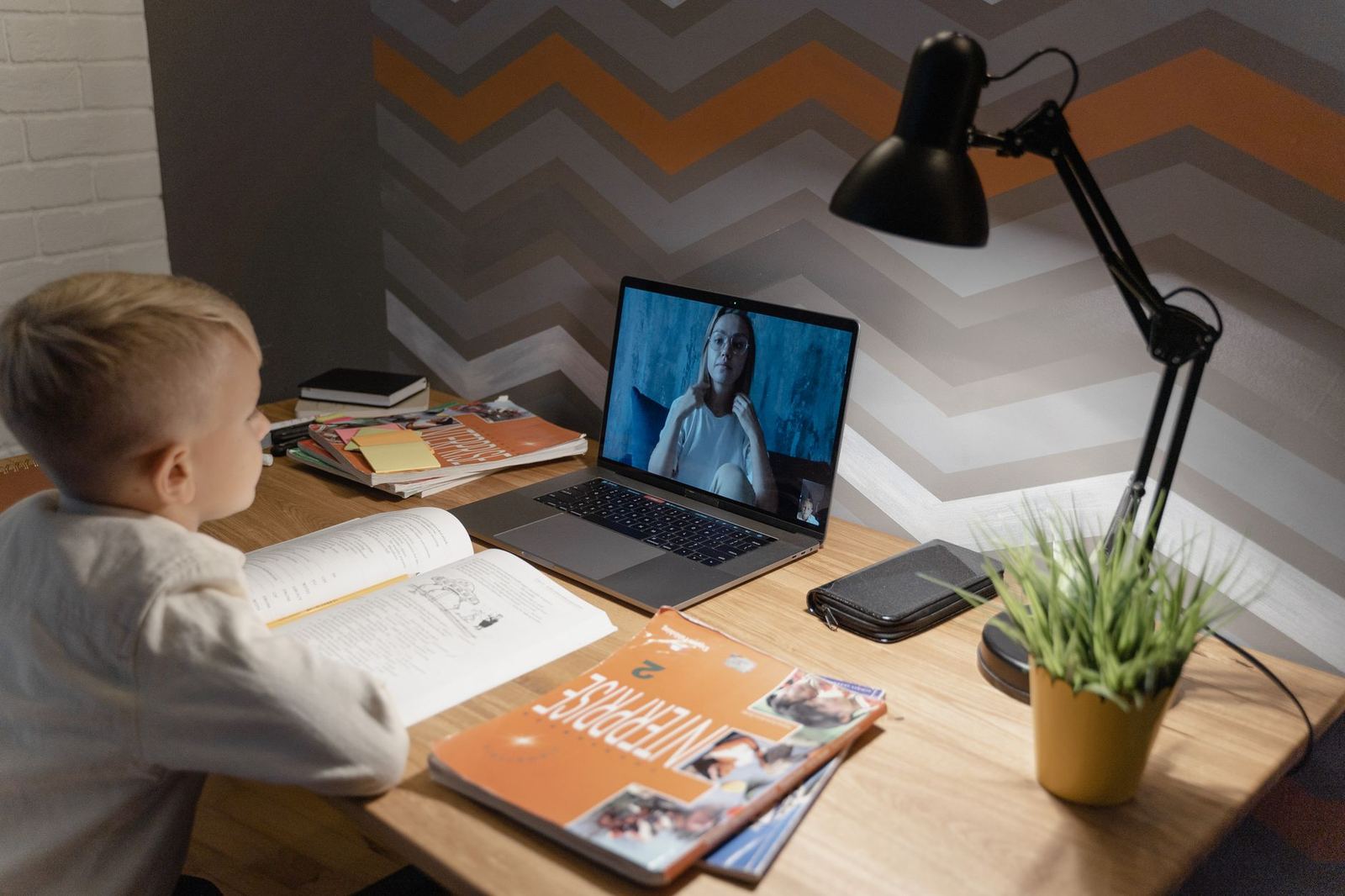
Play works the same way. If you want ideas for turning vocabulary into fun, see our overview of learning english through games.
Pick activities around what your child already loves, whether that is animals, trucks or drawing. Children learn words for things that interest them, so interest does much of the teaching for you.
How long does it take?
Most children need patience more than anything. West Sussex County Council says it can take a pupil up to 2 years to gain conversational fluency.
Academic English takes longer. The same page says it may take a learner between 5 and 7 years to reach academic language skills of a similar level to their peers.
The council also points out that pupils learning English as an additional language have 2 jobs to do: learning curriculum content and learning a new language. If your child sounds fluent on the playground but still struggles with schoolwork, that gap is common and does not mean you have done something wrong.
What should you avoid?
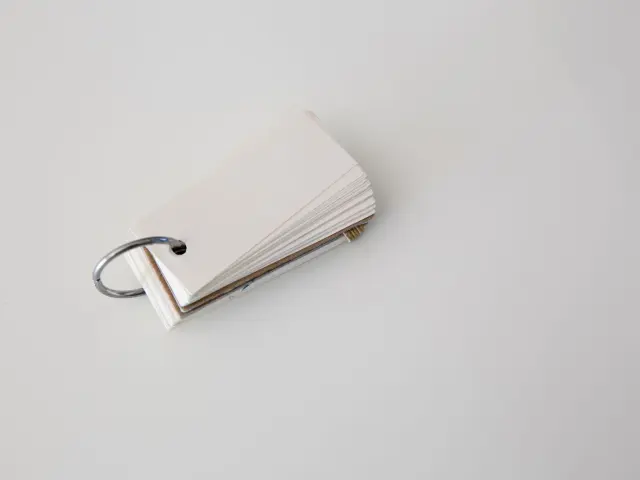
The biggest trap is turning English into drills. Hanen states that trying to teach words, for example by looking at flashcards, is never very fun or motivating for children.
A few other things tend to backfire:
- Taking over the conversation instead of following your child’s lead.
- Dropping the home language in the hope that English will arrive faster.
- Comparing your child with a classmate who has been hearing English for longer.
Keep sessions light and stop while your child is still enjoying them. A short, happy chat beats a tense lesson every time.
Frequently asked questions
Should I stop speaking my home language to help my child learn English?
Show answer
No. The Hanen Centre says learning a second language does not mean abandoning the first, and that a child can lose the home language without continued exposure to it.
How long until my child speaks English fluently?
Show answer
West Sussex County Council says conversational fluency can take up to 2 years, and academic language skills may take between 5 and 7 years. These are general ranges, not promises for any one child.
Are flashcards a good way to teach English at home?
Show answer
Not as a main method. Hanen says flashcards are never very fun or motivating for children, and it recommends enjoyable conversations during everyday activities instead.
What if my own English is not very strong?
Show answer
You can still help. The Illinois Early Learning Project says a preschooler builds good speaking and listening habits by talking with fluent speakers of any language, so keep talking in the language you know best.